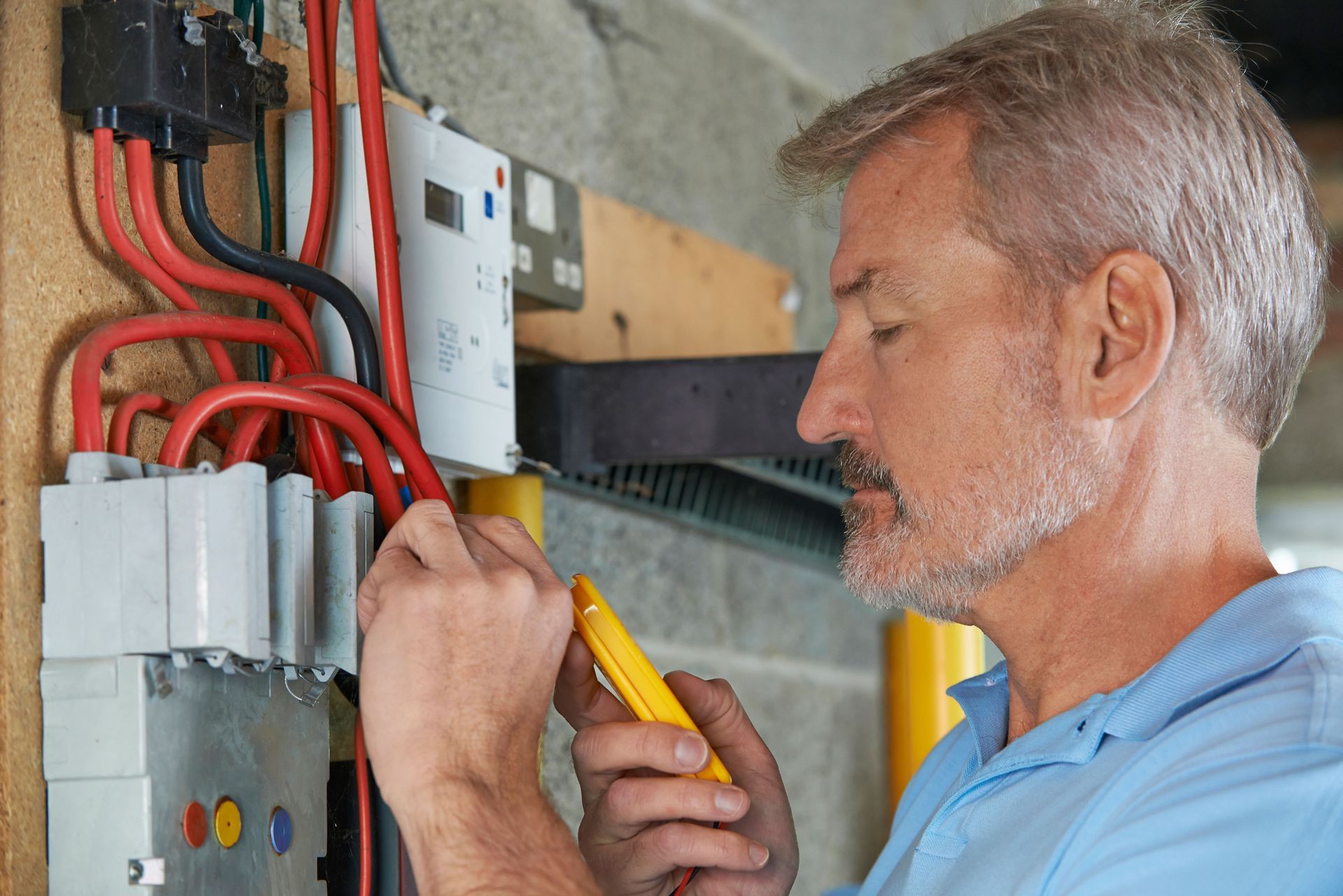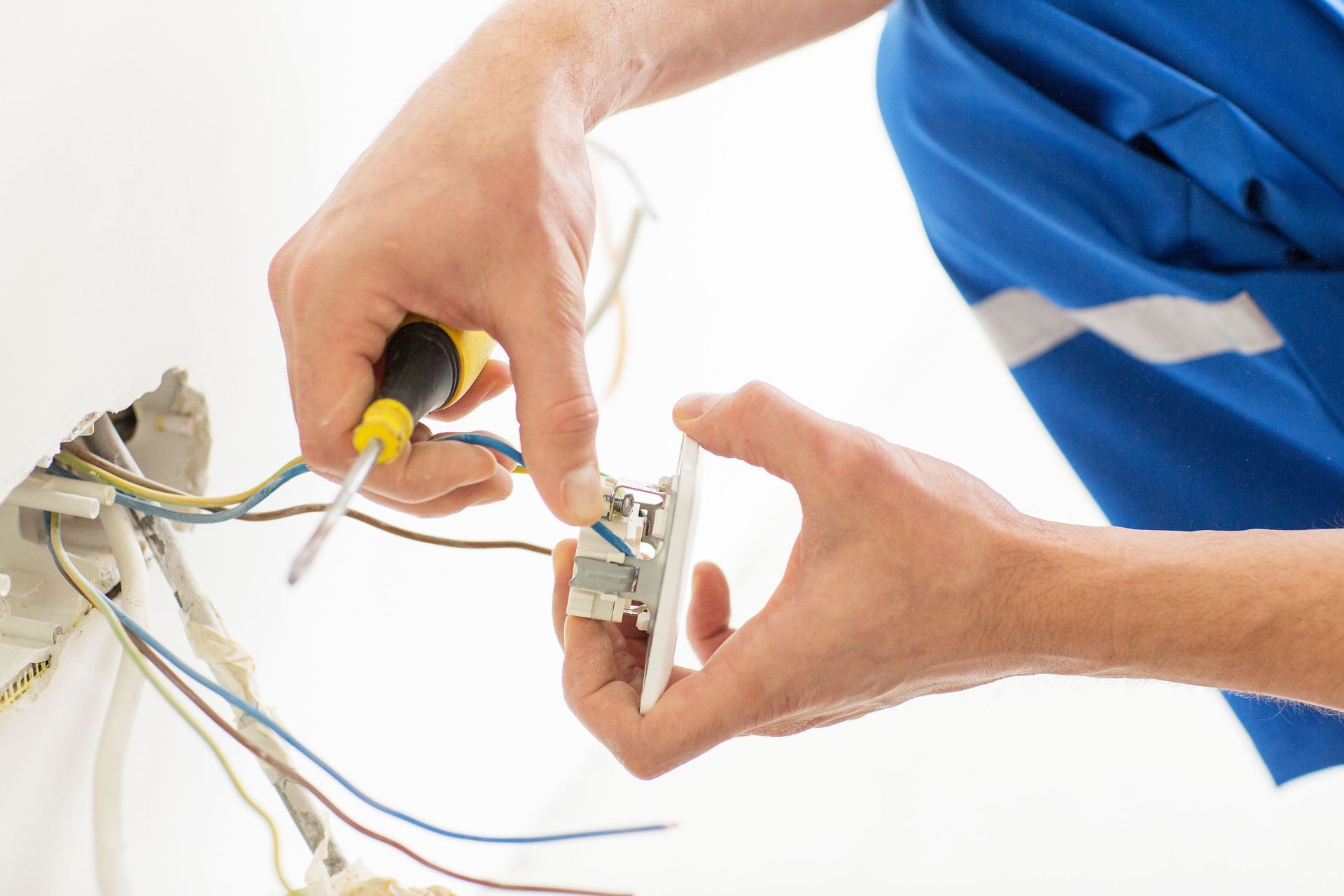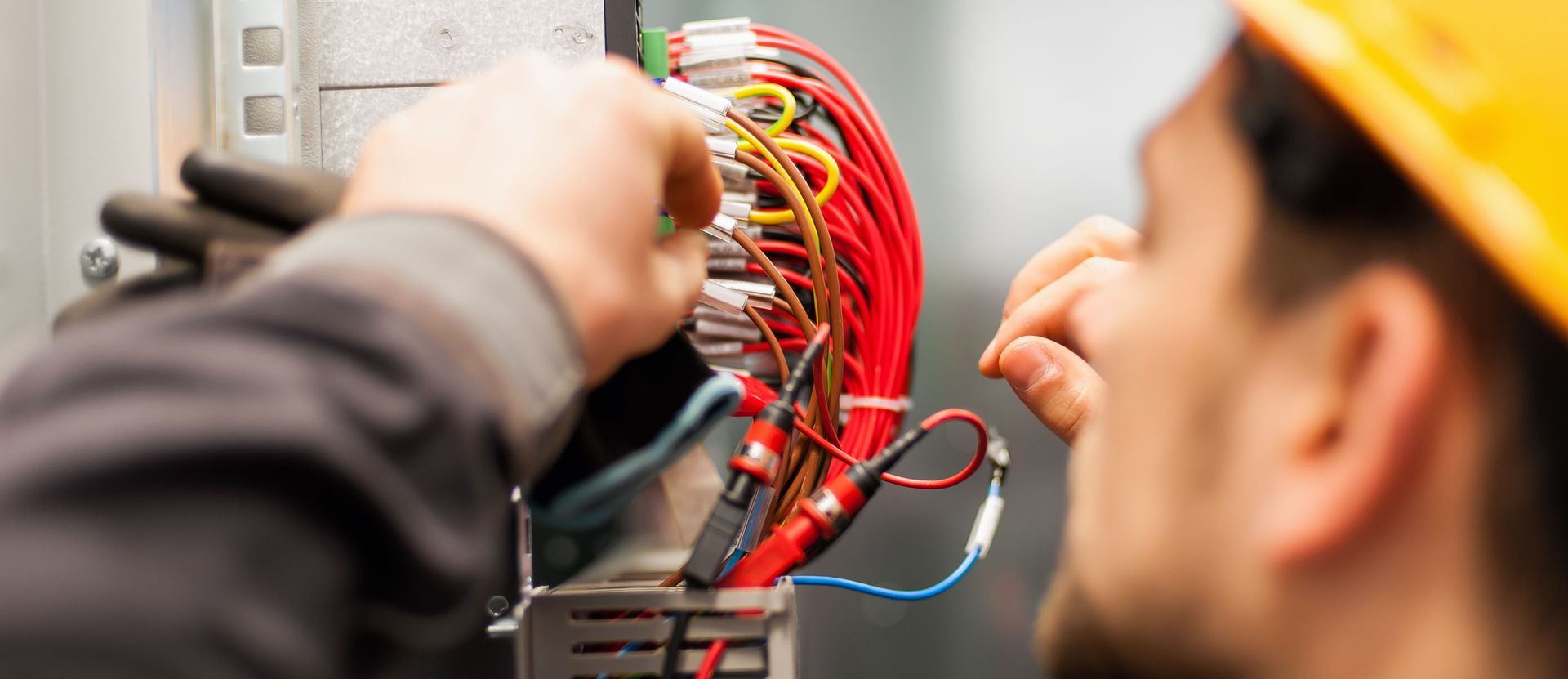
Ensuring electrical safety in older properties is a vital responsibility for homeowners, especially as infrastructure ages and becomes increasingly susceptible to wear. Many aging houses were originally constructed under outdated building codes, which makes their existing setups largely unsuitable for modern safety requirements. Upgrading these critical systems is not merely a matter of regulatory compliance; it is a proactive measure that significantly enhances safety, daily efficiency, and overall household convenience. Modern systems provide substantially greater capacity, seamlessly accommodate advanced household devices without strain, and feature remarkably improved reliability mechanisms. Because of these distinct advantages, property owners often find that investing in electrical panel replacements can avert serious hazards and optimize the overall flow of energy throughout the property. Navigating the unique challenges of historical or mid-century properties requires understanding exactly why their original infrastructure might be failing behind the walls. Recognizing the subtle signs of an inadequate setup is the crucial first step toward securing a safer, much more efficient living environment for everyone.
1. They Pose Safety Hazards Due to Outdated Standards
Over the decades, residential building codes have evolved considerably to accommodate emerging technologies and establish much stricter safety baselines. Older properties frequently fall remarkably short of these modern expectations, creating hidden hazards lurking behind the walls. Regulatory bodies regularly update their safety requirements by integrating lessons learned from past incidents and recognizing the constantly shifting landscape of household energy use. For a structure built several decades in the past, the original wiring and central distribution center will almost certainly fail to align with current safety expectations. In these specific scenarios, electrical panel replacements become absolutely necessary to bridge the dangerous gap between historical construction practices and contemporary safety mandates. By bringing the property up to current building codes, homeowners drastically reduce the daily risks posed by antiquated and rapidly deteriorating systems. Upgrading ensures that the entire house operates within safe parameters, minimizing the chance of unexpected failures stemming from outdated installation practices.
2. They Increase the Risk of Unexpected Electrical Fires
Aging electrical infrastructure is particularly vulnerable to natural wear and tear, which significantly compromises its structural integrity and daily operational safety. Over extended periods of continuous use, protective wiring insulation degrades, internal connections become dangerously loose, and essential metallic components corrode. This widespread physical degradation steadily increases resistance and heat generation, elevating the likelihood of arcing, which is a primary precursor to devastating structural fires. To mitigate these risks, newer setups are constructed using durable materials designed to withstand the test of time and provide superior overload protection. Homeowners looking to genuinely protect their properties and families often rely on electrical panel replacements to permanently eliminate these hidden fire risks. Replacing an aging, degraded distribution center ensures that all internal connections are secure, perfectly intact, and functioning exactly as intended. By addressing these critical vulnerabilities, families can sleep soundly knowing their living spaces are safeguarded against the consequences of neglected infrastructure.
3. They Struggle to Handle Modern Appliance Energy Demands
The rapid pace of technological advancement has drastically altered how modern households consume energy on a daily basis. Today's advanced devices require robust and consistently steady power to operate efficiently, a heavy demand that aging residential infrastructure was never originally designed to support. When an older system desperately attempts to accommodate the heavy load of modern conveniences, it frequently experiences immense stress, leading to constantly tripped breakers and highly inefficient operation. Ensuring seamless compatibility through electrical panel replacements enables the flawless functioning of modern technologies without the constant, looming threat of overloading the entire system. A brand-new distribution center allows major appliances, extensive entertainment systems, and interconnected smart home devices to effortlessly draw the necessary power without compromising the stability of the entire network. Consequently, upgrading the system not only fully supports current technological needs but also perfectly prepares the household for all future advancements in smart home convenience and energy efficiency.
4. They Deteriorate from Moisture and Environmental Corrosion
Moisture and fluctuating environmental factors pose exceptionally serious threats to the ongoing structural integrity of any residential power distribution center. Over time, subtle moisture intrusion can silently seep into the metal casing, accelerating harmful corrosion and rapidly degrading crucial internal mechanisms. This unchecked environmental degradation severely compromises the system's overall effectiveness, raising the potential for dangerous operational failures and highly unreliable power delivery throughout the property. According to HomeAdvisor, a properly maintained electrical breaker panel can last between 25 and 40 years with annual inspections. However, older units subjected to decades of unchecked moisture and intense environmental stress rarely reach this optimal lifespan without developing severe underlying issues. In such cases, electrical panel replacements are the most effective way to restore the integrity of the property's main power supply. Modern residential units are carefully manufactured with superior construction materials and highly advanced sealing techniques, making them far better equipped to withstand ongoing environmental degradation.
5. They Rely on Obsolete Fuse Box Technologies
Many historic properties depend on antiquated fuse boxes, which present notable limitations and daily inconveniences compared to modern, streamlined alternatives. Fuses must be discarded and replaced every time they blow, leading to recurring maintenance frustrations and the constant, annoying hassle of keeping spare parts continuously on hand. Modern residential setups, by stark contrast, utilize easily resettable switches that provide vastly superior efficiency and speed when managing sudden, unexpected power overloads. The complete switch from obsolete physical fuses to modern resettable switches offers incredibly enhanced safety and daily convenience, making electrical panel replacements a highly appealing modernization project for proactive property owners. The truly undeniable benefits in daily reliability and ease of use make modern distribution centers the absolute preferred choice for today’s busy households. Furthermore, modern switches are far more precise in detecting hidden faults, cutting off power instantly to entirely prevent costly damage to sensitive household electronics.
6. They Complicate the Process of Securing Home Insurance
Home insurance providers maintain rigorous requirements concerning the condition of household infrastructure, which directly impacts coverage eligibility and monthly premium costs. Insurance underwriters are acutely aware of the severe risks intrinsically associated with outdated technology, often imposing non-negotiable stipulations regarding the exact age and state of the property's main power distribution center. Properties utilizing antiquated, decaying infrastructure frequently face significantly higher insurance premiums, or in some unfortunate scenarios, total and complete denial of coverage. Fortunately, homes newly equipped with completely upgraded systems frequently qualify for highly desirable lower premiums due to the drastically reduced risk of dangerous malfunctions and structural fires. Proactive homeowners often seek comprehensive infrastructure upgrades to perfectly align their aging properties with the remarkably strict expectations of modern insurance providers. By completely eliminating the inherent hazards associated with older infrastructure, property owners can easily secure comprehensive coverage and successfully avoid frustrating, protracted claim disputes. Ultimately, a provably safer home translates directly into incredibly tangible insurance benefits, rewarding the property owner’s steadfast commitment to safety.
Upgrading the central power distribution system in an aging residential property is an absolutely essential step for maintaining optimal safety, improving daily efficiency, and ensuring flawless compatibility with contemporary household appliances. As previously discussed, outdated infrastructure poses severe safety hazards and cannot adequately accommodate the increasingly heavy energy demands of modern, connected living. By wisely investing in thoroughly modernized infrastructure, proactive property owners enjoy truly lasting benefits, including significantly enhanced safety, beautifully optimized energy flow, and substantially improved overall property value. Modernizing these incredibly vital internal systems completely prevents residential disasters while simultaneously satisfying the remarkably strict requirements of competitive real estate markets and rigorous insurance providers alike. A secure and efficient home begins with a robust foundation for its main power supply. If you are constantly experiencing frustrating power interruptions or have growing concerns about the safety of your aging setup, immediate professional assistance is vital. For dedicated guidance and highly reliable electrical panel replacements, contact Galban Electric today to learn more about how we can safeguard your property.