September 24, 2026
Home renovations can dramatically improve the comfort, functionality, and value of a property, but they can also introduce serious risks when electrical systems are altered incorrectly. Changes involving wiring, outlets, lighting, appliances, electrical panels, and other components require careful planning to prevent fires, shocks, equipment damage, and other hazards. Professional electrical contractors play an important role in managing these concerns by following established safety practices and regulatory requirements. Their knowledge allows electrical improvements to be coordinated with the broader renovation while protecting occupants and the property. From evaluating existing wiring to performing final tests, professional involvement helps create electrical systems that are dependable, practical, and prepared for the home's changing needs.
Understanding Electrical Codes and Standards
One of the foundations of safe electrical work is a thorough understanding of applicable codes and standards. The National Electrical Code provides widely recognized requirements for electrical design and installation, addressing areas such as wiring methods, grounding, circuit protection, equipment placement, and load capacity. Professional electrical contractors incorporate applicable requirements into renovation planning so that new work meets established safety expectations. Because electrical standards are periodically updated, professionals must remain aware of changes that could affect the way residential projects are completed.
Local regulations can add another layer of requirements. Municipalities and other jurisdictions may adopt specific amendments, permitting procedures, or inspection requirements based on regional needs. A renovation that involves adding circuits, relocating outlets, upgrading a service panel, or installing major appliances may therefore require more than simply following general practices. Understanding the requirements that apply to the property can prevent delays and reduce the possibility that completed work will need to be modified later.
Maintaining Training and Professional Knowledge
Continuing education helps electrical contractors remain familiar with evolving technologies, installation methods, equipment, and safety procedures. Licensing requirements in many jurisdictions also encourage professionals to maintain current knowledge throughout their careers. According to the Electrical Safety Authority, unlicensed electrical work is four times more likely to have safety issues than licensed work, highlighting the importance of appropriate qualifications and training. Ongoing professional development helps electricians recognize emerging risks and understand how newer products should be integrated into existing residential systems.
Training becomes particularly important during renovations because older homes may contain wiring or equipment installed under previous standards. Professionals must determine whether existing components can safely remain in service or whether upgrades are appropriate. This requires technical judgment rather than simply replacing visible fixtures. Understanding how older and newer systems interact can help prevent overloaded circuits, incompatible equipment, and other hidden problems.
Conducting a Thorough Risk Assessment
Risk assessment is an essential part of electrical renovation work because existing conditions are not always obvious before construction begins. Walls, ceilings, and floors may conceal damaged conductors, outdated wiring, overloaded circuits, improper connections, or previous modifications. Before major work proceeds, electrical contractors can examine accessible components and evaluate the demands that proposed improvements will place on the system. Identifying potential problems early allows the renovation plan to account for necessary repairs or upgrades.
Risk assessments should also consider how the renovated space will be used. A remodeled kitchen, for example, may require additional circuits to support modern appliances, while a finished basement could need new lighting, receptacles, and protective devices. Home offices, workshops, additions, and entertainment areas may similarly increase electrical demand. Evaluating these needs beforehand reduces the likelihood that the finished system will be inadequate for everyday use.
Using Appropriate Safety Measures
Once potential hazards have been identified, professionals can implement appropriate measures to control them. This may involve de-energizing circuits, confirming the absence of voltage, establishing safe working areas, replacing damaged components, and selecting materials suitable for their intended applications. Protective technologies such as ground-fault circuit interrupters and arc-fault circuit interrupters may also be incorporated where required or appropriate to reduce specific electrical hazards.
Quality materials are another important part of risk reduction. Wiring, connectors, boxes, breakers, receptacles, and other components must be properly selected for the expected electrical load and installation environment. Using compatible components and following manufacturer specifications helps electrical contractors create connections that remain dependable after the renovation has been completed. Careful workmanship is particularly important in concealed locations that may become difficult to access once walls and finishes are restored.
Selecting Proper Tools and Protective Equipment
Professional electrical work requires tools designed for accurate testing, installation, and maintenance. Voltage testers, multimeters, insulated hand tools, wire strippers, circuit analyzers, and other specialized equipment allow electricians to evaluate electrical conditions before making changes. Diagnostic technologies can also help identify problems that are difficult to detect visually. For example, certain testing methods may reveal abnormal electrical loads, faulty connections, or other conditions that warrant further investigation.
Personal protective equipment adds another layer of safety. Depending on the task and potential hazards, professionals may use insulated gloves, eye protection, protective clothing, hard hats, or other equipment. Properly maintained tools and protective gear help reduce exposure to electrical and construction-related hazards. Safe practices remain important even when performing seemingly minor tasks because energized systems can present significant risks if incorrect assumptions are made.
Planning for the Home's Electrical Demands
Renovations provide an opportunity to evaluate whether a home's electrical system can support both present and future needs. Modern households often use considerably more electronic equipment and high-demand appliances than older electrical systems were designed to accommodate. Professional electrical contractors can evaluate circuit capacity, panel space, service requirements, and anticipated loads when planning improvements. This can help homeowners avoid completing a renovation only to discover that the electrical infrastructure cannot adequately support the updated space.
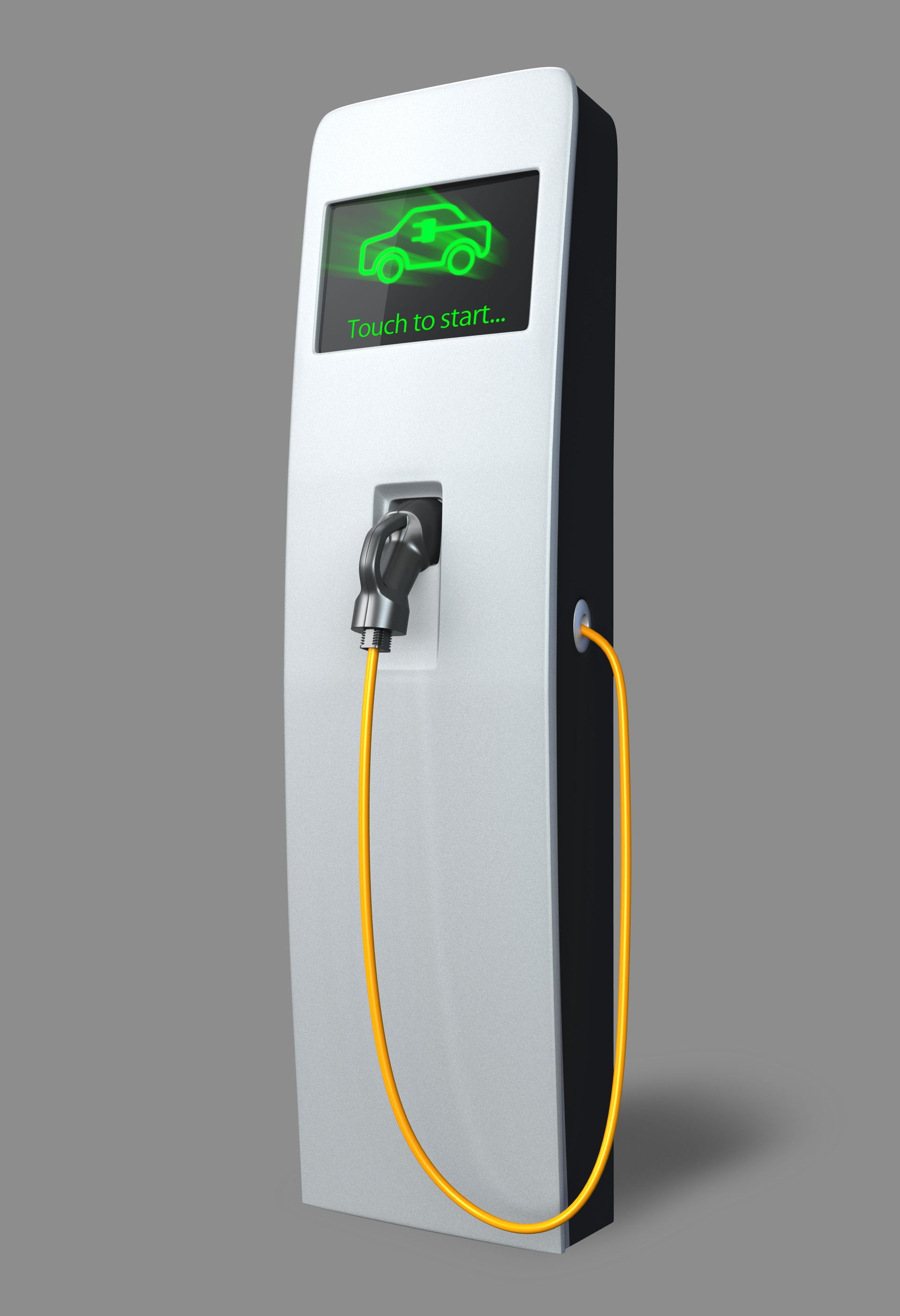
Planning may also account for future additions such as electric vehicle charging equipment, smart home devices, additional appliances, outdoor lighting, or expanded entertainment systems. Not every future upgrade needs to be installed during the current renovation, but anticipating likely changes can make later improvements easier. Strategic planning can reduce unnecessary disruption and help homeowners make better use of renovation investments.
Keeping Contractors and Homeowners Informed
Clear communication is essential throughout a renovation. Homeowners should understand what electrical work is being performed, why particular upgrades may be necessary, and how changes could affect the project's schedule or budget. Professionals can explain discovered conditions and outline practical options without overwhelming homeowners with unnecessary technical language. This creates clearer expectations and helps property owners make informed decisions when unexpected electrical issues emerge.
Documentation supports this communication by creating a record of installations, inspections, testing, permits, and significant changes. Detailed records can be useful when future repairs, renovations, or property transactions occur. They may also help future electrical contractors understand how the system was modified, reducing uncertainty when additional work becomes necessary. Accurate documentation therefore provides value well beyond the immediate renovation.
Coordinating Electrical Work With Other Trades
Electrical improvements rarely occur in isolation during a major renovation. Electricians may need to coordinate their activities with plumbers, HVAC technicians, carpenters, drywall installers, cabinet professionals, and other trades. Wiring must often be installed before walls are closed, while fixtures and devices may not be completed until later stages. Careful scheduling helps prevent one phase of construction from damaging or obstructing another.
Coordination is especially important when building layouts change. Moving walls, cabinets, plumbing fixtures, or appliances can alter the intended locations of switches, outlets, lighting, and equipment connections. Effective collaboration allows electrical plans to evolve alongside other renovation details while maintaining safety and functionality.
A successful renovation should improve more than the appearance of a home. Behind finished walls, new cabinetry, updated flooring, and modern fixtures, electrical systems must continue operating reliably for years to come. Proper assessment, installation, testing, and documentation help create that foundation. By making safety and compliance central to each phase of electrical work, homeowners can enjoy renovated spaces with greater confidence in the systems supporting everyday life. Contact our team at Galban Electric today and learn more about our electrical services.