July 29, 2026
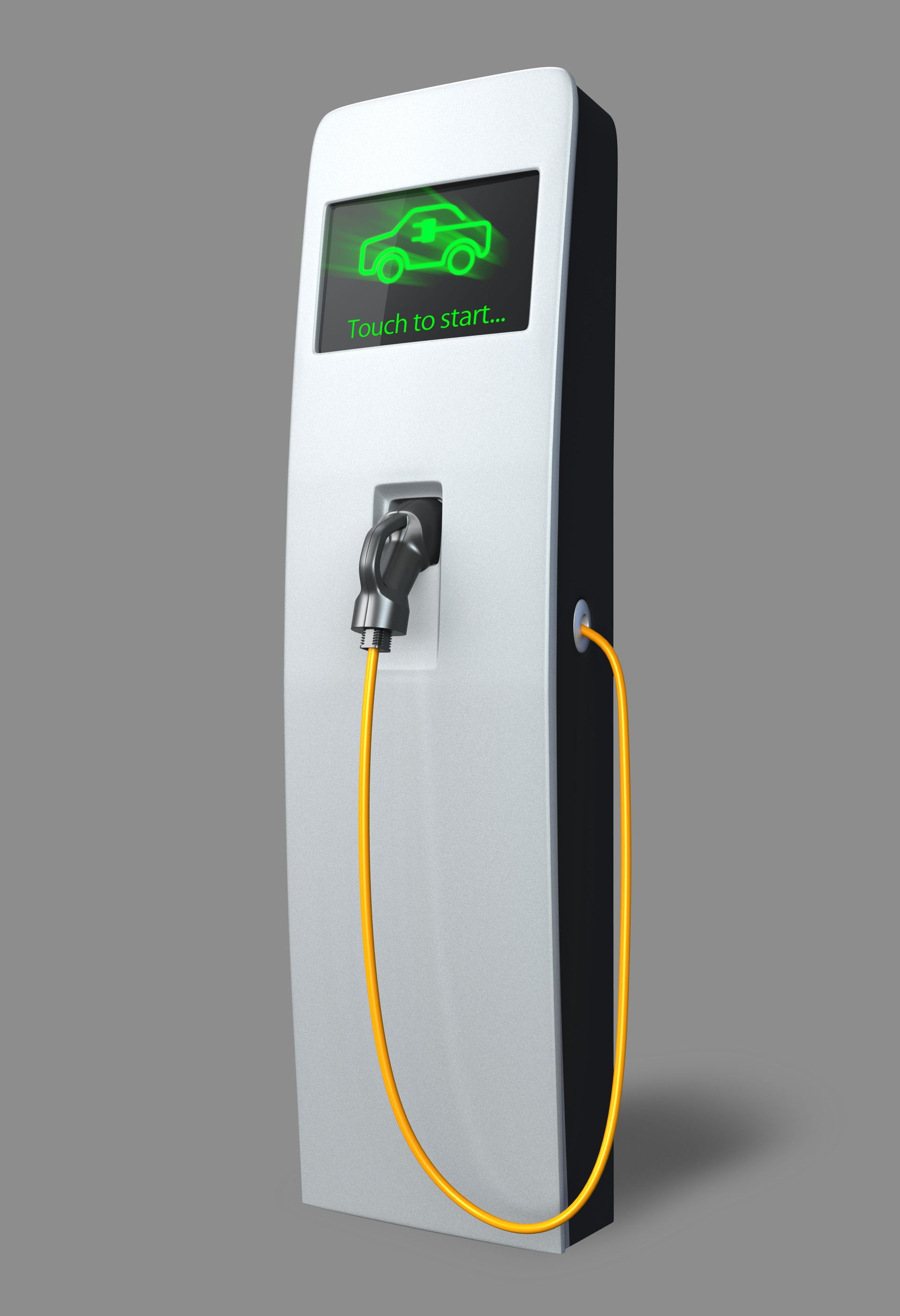
Electric vehicles (EVs) have quickly transitioned from a niche market segment into a dominant force on modern roadways. Driven by environmental consciousness, surging fuel costs, and massive advancements in automotive engineering, millions of drivers make the switch every year. As more individuals embrace this cleaner alternative, the immediate necessity for convenient home charging infrastructure grows exponentially. Being able to plug in your vehicle overnight and wake up to a full battery is easily one of the most rewarding perks of electric vehicle ownership.
However, the critical importance of hiring a certified home EV charger installer for this process is frequently underestimated by well-meaning homeowners. Many treat the addition of a dedicated charging unit as a simple appliance plug-in or a quick weekend DIY project. In reality, residential EV charging equipment places a continuous, high-amp load on a home's infrastructure—far beyond the demands of standard household electronics. Neglecting to use a qualified professional can lead to severe safety hazards, reduced charging efficiency, voided equipment warranties, and costly property damage. This comprehensive guide explores why hiring a certified home EV charger installer is an indispensable step toward establishing a safe, reliable, and high-performing charging system for your electric vehicle.
Ensuring Safety in EV Charger Installation
A certified home EV charger installer brings a comprehensive understanding of electrical engineering principles directly to your breaker panel. Installing a high-powered Level 2 charging system without evaluating your home's total electrical capacity can lead to frequent circuit breaker trips, severe voltage drops, or catastrophic panel failure. Certified professionals perform precise calculations to assess your current usage against your service capacity. By engaging a certified home EV charger installer, you avoid overloading your system, ensuring your electrical grid can power your home and charge your car simultaneously.
High-voltage electrical installations carry inherent risks, including thermal overload, severe electrical shocks, and arc flashes. Certified installers undergo hundreds of hours of rigorous safety training to handle continuous 240-volt loads properly. They ensure correct wire gauges, heavy-duty receptacles, and dedicated breakers are utilized. Entrusting your project to a certified home EV charger installer mitigates dangerous fire risks and protects your family and home from structural damage.
Electrical codes exist to establish standard safety protocols across residential properties, yet these regulations vary significantly between municipalities. A licensed home EV charger installer possesses exhaustive knowledge of local building codes and National Electrical Code (NEC) standards. Ensuring full compliance protects you from severe municipal fines, property disputes, and costly forced tear-outs during future home inspections.
Before pulling cables or installing hardware, a professional home EV charger installer evaluates your property’s existing wiring, grounding systems, and subpanels. Aging, degraded, or aluminum wiring can overheat rapidly under the sustained electrical draw required by an EV. Professional installers identify and resolve these underlying vulnerabilities beforehand, establishing a safe foundation for your new charging equipment.
Modern EV charging units come equipped with advanced safety mechanisms, such as Ground Fault Circuit Interrupters (GFCI) and thermal monitors. A certified home EV charger installer ensures these integrated protections are properly wired and calibrated. Without expert setup, these safety features may fail to trip during an active fault, leaving your property unprotected against short circuits and catastrophic component meltdowns.
Optimizing Charger Performance
Choosing the right charger for your specific electric vehicle model involves navigating varying power outputs, amperage levels, and plug standards. A certified installer helps you select an ideal unit tailored to your daily driving habits and your vehicle's internal acceptance rate. This expert guidance prevents you from overspending on unnecessary equipment or underpowering your daily charging needs.
System compatibility is essential for seamless energy transfers. A certified installer verifies that your panel, charging station, and vehicle software communicate flawlessly. Mismatched components can cause erratic charging cycles, battery degradation, and unexpected power cutoffs. Professional installation ensures optimal communication across all hardware interfaces.
Improperly configured chargers can draw power inefficiently, spiking your monthly electricity bills. Professional installers optimize power delivery systems and can set up load management devices that balance power draw dynamically. This intelligent energy distribution lowers operational costs while maintaining maximum charging effectiveness.
To achieve true convenience, your charging station must charge your battery at its maximum safe speed. Certified professionals configure dedicated circuits that deliver consistent, unthrottled amperage to your vehicle. This reduces wall-clock charging times drastically, keeping your car ready for unexpected journeys.
Modern smart chargers offer automated scheduling, off-peak rate tracking, and remote mobile app controls. Certified technicians integrate these smart units with your home’s Wi-Fi network effortlessly. Leveraging these features allows you to automate charging during cheap nighttime utility hours, generating continuous long-term savings.
Protecting Home and Vehicle Investment
Improperly wired charging stations can cause invisible damage to your electrical panel, melting insulation and damaging surrounding breakers. According to NECA, there are over 70,000 registered electrician firms. Utilizing these qualified firms ensures your installation adheres to strict engineering thresholds, protecting your home’s infrastructure against costly interior damage.
An EV’s battery pack is its most expensive single component. Inconsistent current flow or ungrounded power feeds can accelerate thermal stress on your vehicle’s lithium-ion cells. Certified installers establish stable, clean electrical delivery that protects battery chemistry and prolongs long-term range capacity.
Automotive manufacturers and charging station brands often explicitly state that warranties are voided if hardware is installed by uncertified individuals. Working with a certified professional preserves your warranty rights on both your multi-thousand-dollar vehicle battery and your charging hardware.
In the event of an electrical fire, insurance underwriters thoroughly inspect installation permits and contractor credentials. Uncertified installations can lead to denied claims and massive out-of-pocket losses. Certified professional installations ensure your home insurance policy remains valid and fully protective.
Permitted, professionally installed EV charging infrastructure is a highly attractive asset for modern homebuyers. A certified installation complete with inspection documentation boosts your home's official resale value and sets your property apart in competitive real estate markets.
Navigating the Complexities of EV Charger Installation
Deciphering technical manuals, continuous load calculations, voltage drops, and wire gauge charts requires formal training. Licensed electricians calculate these parameters precisely, selecting correct conduits and heavy-duty components that ensure continuous high-amp energy transfers without thermal degradation.
Pulling municipal building permits involves technical line diagrams and formal documentation. Experienced contractors manage this complex paperwork on your behalf, coordinating directly with local building departments to ensure fully legal, hassle-free approvals.
Installing high-output charging stations sometimes necessitates service drop upgrades or transformer
checks with your local electric utility. Certified contractors serve as your liaison, coordinating utility-side upgrades smoothly to support your new power demands.
Every home features distinct structural configurations, long cable run challenges, or detached garage layouts. Certified installers tailor custom conduit pathways and panel sub-feeds designed specifically for your home's unique architectural blueprint.
Integrating EV chargers with solar arrays or battery storage banks requires specialized knowledge of solar inverters and transfer switches. Certified experts ensure your EV equipment utilizes clean, self-generated solar power efficiently without overloading your storage setup.
Investing in an electric vehicle is a major milestone toward sustainable transportation, but your vehicle is only as reliable as the infrastructure that powers it. Attempting to shortcut the installation process with uncertified labor introduces severe safety risks, potential property damage, and unnecessary financial liabilities. Certified electrical professionals bring the exact skills, safety protocols, code knowledge, and technical precision required to establish a high-performing charging station in your home. Protect your investment, safeguard your household, and enjoy flawless charging performance every single day. For safe, reliable, and master-certified service, contact the team at Galban Electric today to schedule your professional home EV charger installation.